Voices of Transition Fundraiser. 2-for-1.
Diversifying the voices of the environmental movement will take a BIG ...
Read more
Diversifying the voices of the environmental movement will take a BIG ...
Read more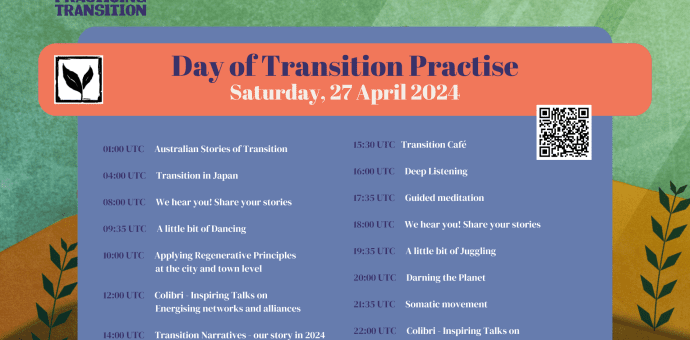
Saturday, 27 April 2024 Dear Transitioners worldwide, Transitioners ha...
Read more
Estou aqui a pensar como os ‘ciclos’ pautam a minha existência &#...
Read more
Bruxelas, 10 de Dezembro 2023 É fim de domingo – lá fora, estÃ...
Read more
Hi! This is Esther, facilitator and communications operational lead of...
Read more
The Training Support Circle serves as the main governing body for the ...
Read more
Hoje comecei o dia a trocar mensagens com o meu irmão, ainda durante ...
Read more
Eu devia ‘era’ sair destas redes sociais! – digo eu, tantas ...
Read more
The Transition Movement is looking for a Hubs Heart Circle Operational...
Read more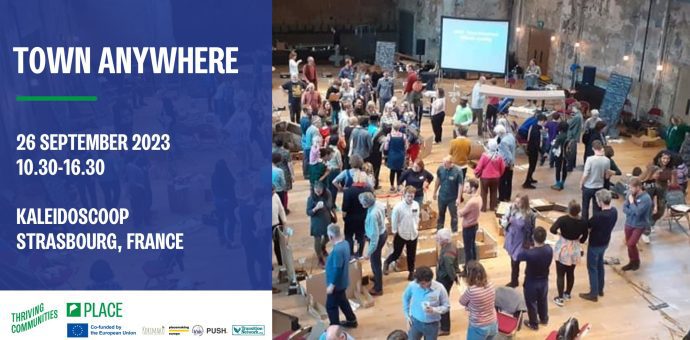
As community activists we know how hard it can be to envision a better...
Read more
We are excited to announce that the first iteration of the Transition ...
Read more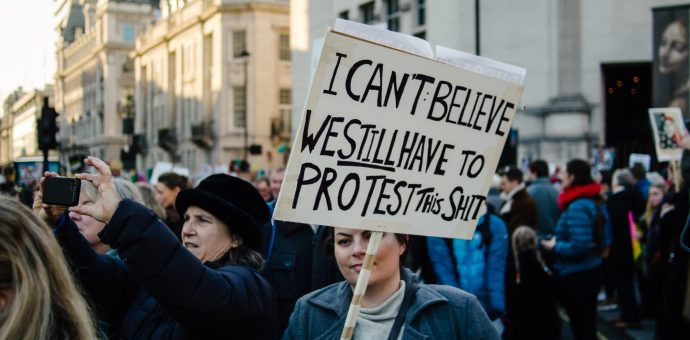
Enhancing the leadership capacity in the movement is one goal of train...
Read more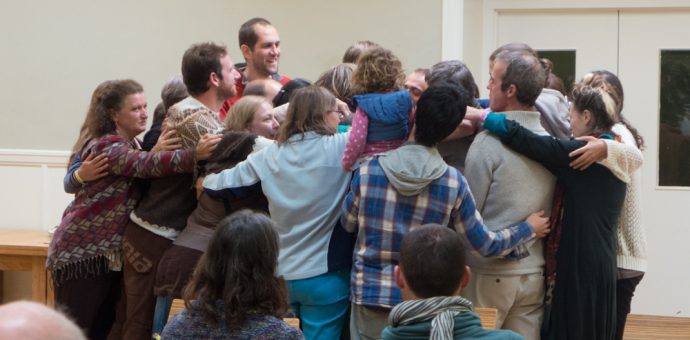
The work we do at the international level exists to support transition...
Read more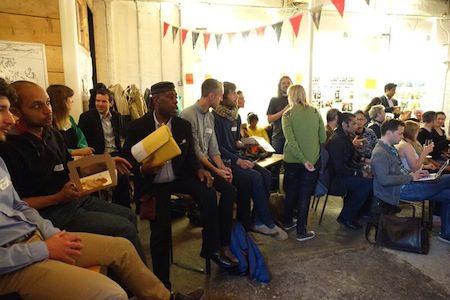
Are you interested in joining a creative, innovative and committed tea...
Read more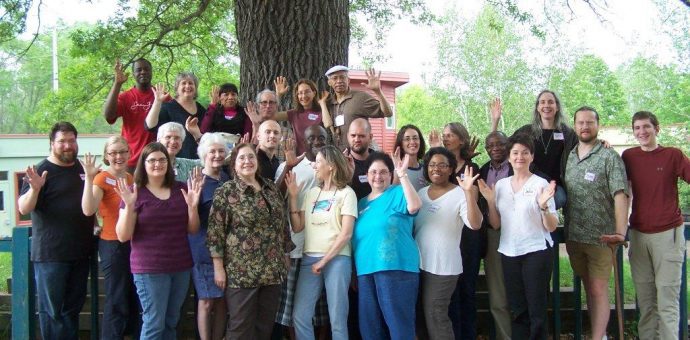
There are those in our Transition community that are prepared to share...
Read more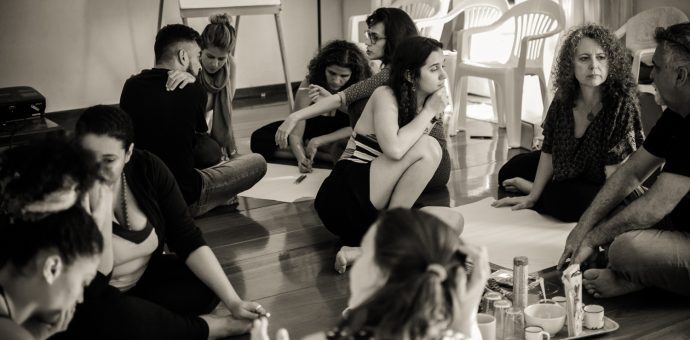
In 2023 we are re-energising and re-developing the ways in which you c...
Read more

Inter-Beingness is an online space where we can come together and shar...
Read more
TransitionTogether launched a little over a year ago, and it’s a goo...
Read more
Inter-beingness: Nothing to do, nowhere to go, no-one to be A virtual ...
Read more
Are you willing to bring your perspective and have time to commit? Do ...
Read more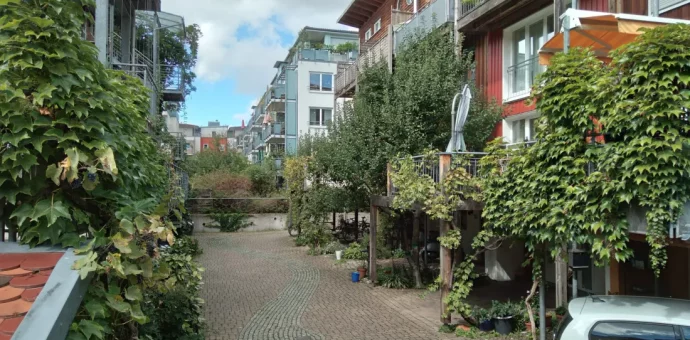
During my talks, I often invite people to time travel in their imagina...
Read more


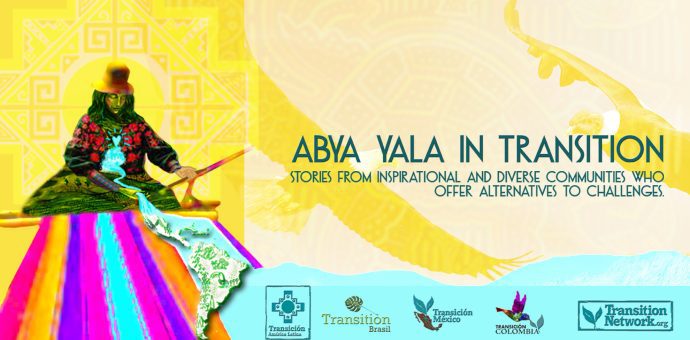
Stories from inspirational and diverse communities who offer alternati...
Read more


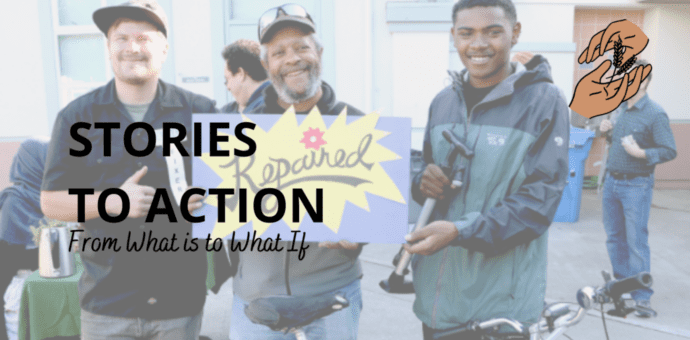
Reducing waste, being more sustainable, building community!
Read more
Would you like to join a creative, innovative and committed team worki...
Read more
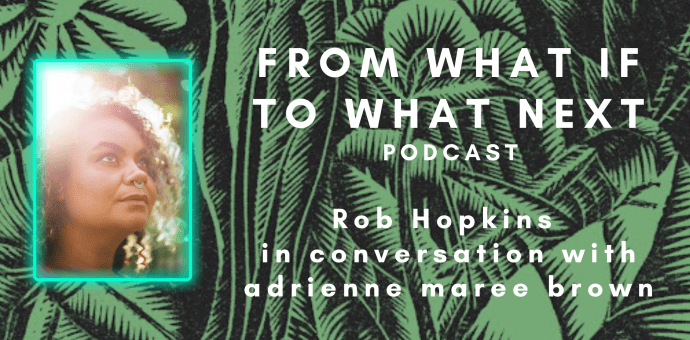
Rob Hopkins in conversation with adrienne maree brown
Read more 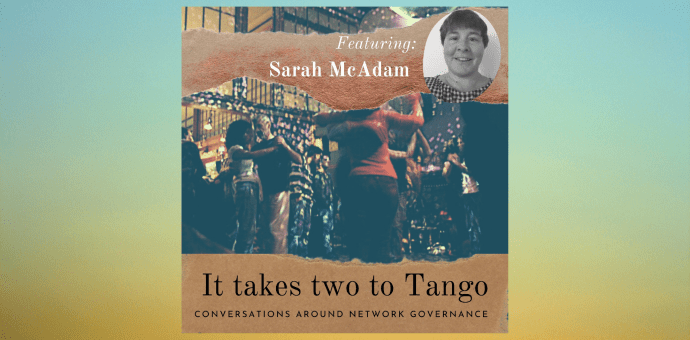
Sarah McAdam recently joined Pedro Portela on his podcast, It Takes Tw...
Read more
Addressing conflict in ways that support us to build healthy systems a...
Read more
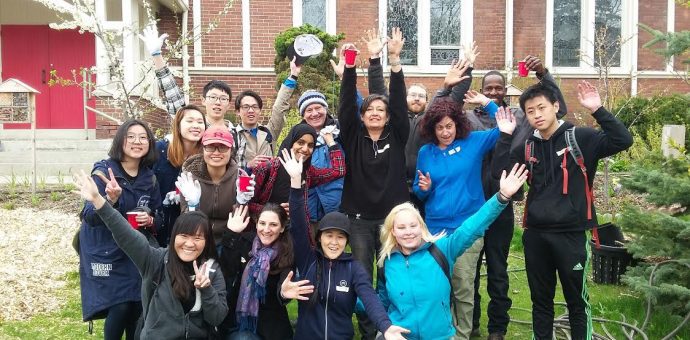
Food Up Front, TreeMobile and more.
Read more 
From 14th-18th February our team will be taking time for creativity an...
Read more

Do you have skills and experience in finance? And a passion for enviro...
Read more 
Creating more resilient, empowered and sustainable communities across ...
Read more

Together we can imagine and build a future that works for all of us.
Read more 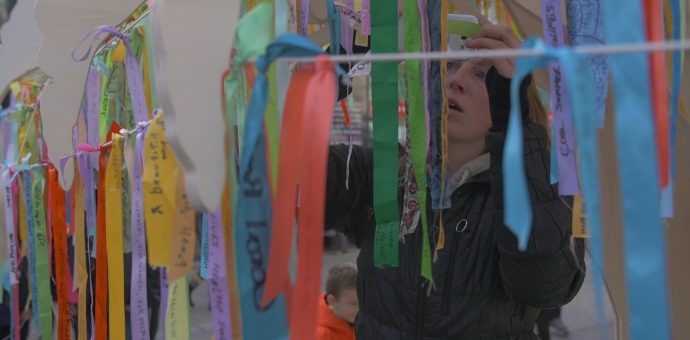
The time for bargaining is over.
Read more

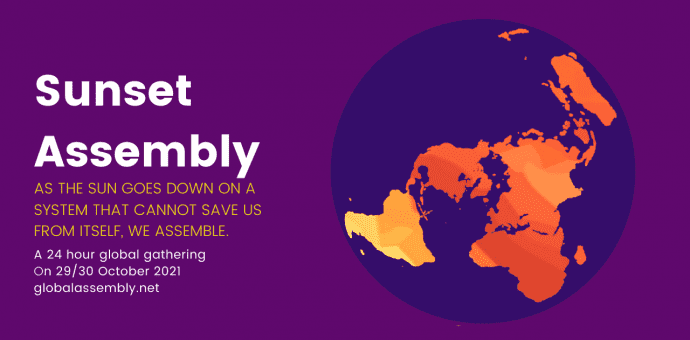
As the sun goes down on a system that cannot save us from itself, we a...
Read more 
"Radical imagination isn’t something that individuals have, but some...
Read more 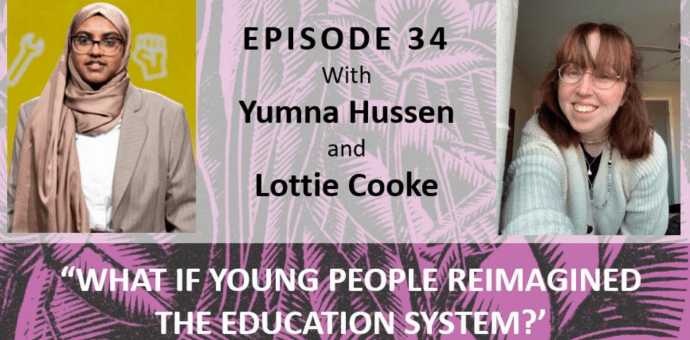
Rob Hopkins was joined by Yumna Hussen and Lottie Cooke to discuss wha...
Read more 
Tools to help our groups to thrive.
Read more 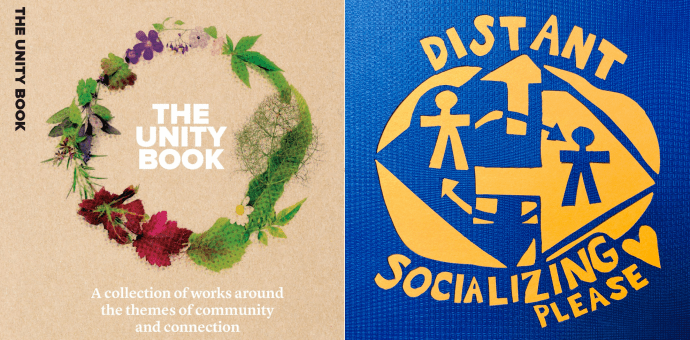
How might we keep going with the best online participatory methods?
Read more 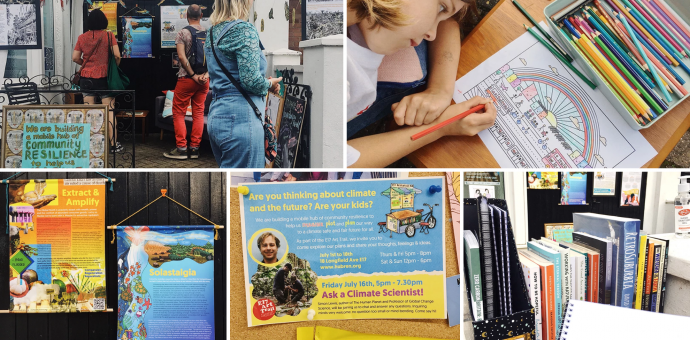
What if hubs of resilience popped up in a park, or a high street corne...
Read more 
Thanks to National Lottery players, Transition Network has been awarde...
Read more 
Rob Hopkins shares the story of how his podcast series was born, and s...
Read more 
How we understand and describe the Transition movement.
Read more

“If we change, the community changes. If the community changes, the...
Read more 
In English / Español / Português
Read more
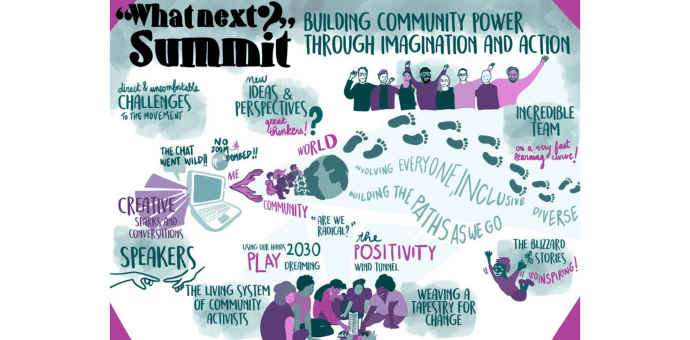
Rob Hopkins tells the story of how it unfolded, with videos of the ses...
Read more 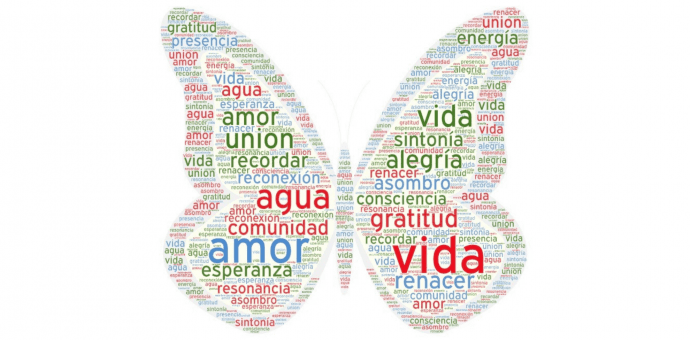
Andrea Giraldo López of the Inner Transition Circle reports back from...
Read more 
An interview with Marissa Mommaerts of Transition US
Read more 
An interview with Nick Anim of Transition Town Brixton and Transition:...
Read more 
An interview with Sarah McAdam of Transition Network
Read more 
Rob Hopkins interviews Drucilla Cornell - professor of law, women’s ...
Read more 
Sharing findings from the Transition movement 2020 evaluation survey.
Read more 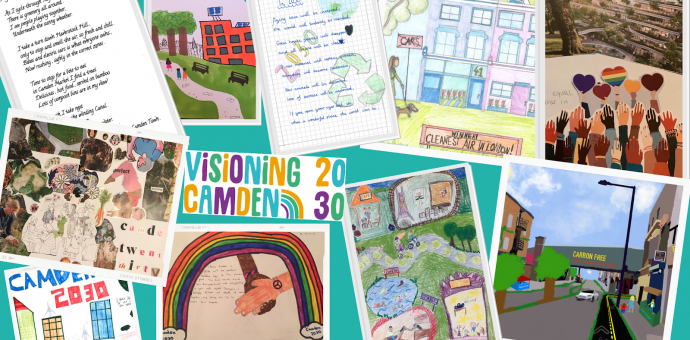
How a community co-created a vision of 2030 on the front page of their...
Read more 
Resources to support ourselves, our groups, and our communities.
Read more 
Do you have experience, values, a fresh perspective, and time to commi...
Read more 
"...a deep commitment to meaningful and ambitious transition is growin...
Read more What is being grown here...community, confidence & that we can change the world
Find out moreThis site uses cookies. By continuing to use this site you are agreeing to the use of cookies.