The morning mist obscures the mountain, and smoke rises through the thatched roofs of the round or oblong earth and wood walled huts, as people, goats, sheep and cows wake . . .
This phrase articulates an age-old debate about the role of the arts in our society. We are probably more familiar with the idea of the arts as Ornament, something to watch or purchase. A specialist makes the Ornament and someone who wants it purchases it from a theatre, cinema, concert hall, gallery, or bookshop. Other people spend their time criticising or championing the Ornaments.
It is the most glorious Autumn day – on fire with colour and crispness and golden light. I am walking across Hampstead Heath and stop to look up at a rather special roof top flat. Overlooking the middle of three ponds, this was the former home of the late David Fleming, and for a short while this year, my home too.
While change is constant, we are not always clear about how change happens in society and what we can do to bring about the change we want. So where do we start? One way is by adopting new ways of doing things ourselves, "being the change we want to see in the world".
Having been invited to be this week’s Social Reporting guest editor and introduce the theme of economics, the burgeoning ‘Occupy’ movement seemed the obvious place to start.
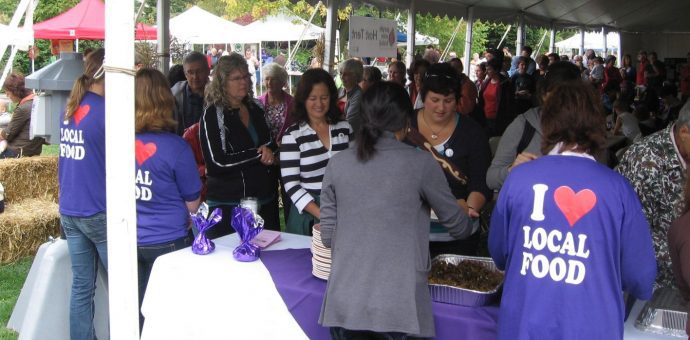
Back in 2008, when I first began working on the Local Food book, I found myself straddling two very different worlds. On the one hand, through speaking to local food project collaborators and hearing their stories of actualised visions and ideas, I was happily immersed in the hopeful creativity of the burgeoning local food movement.
I first came across permaculture without realising it. I was travelling in Pakistan and China with a guy called Chris Gwin, who lived at Crystal Waters Permaculture Village in Queensland, Australia. He lived surrounded by permaculture.
One of the moments from my childhood that will always stay with me was the day that we read The Fox and the Hound at school. The story tells of a young fox called Tod who befriends a young puppy named Copper. They spend the summer playing together by the river, a sense growing in them that they’ll be the best of friends forever.
Close your eyes and imagine; Jill, a mother and part-time social worker is stood nervously on stage. Her hands grip the lectern as she glances over her lengthy notes on climate change, peak oil and economics. Until a year ago she knew almost nothing of Transition and she certainly never did much public speaking...